Universal Symbols Type Design 1
Typography using symbols
In projections 2, I started off by looking at examples of secretive communication in history and also objects or material I could use to design type that originate from the idea of protest in history or are ‘human’ in nature.
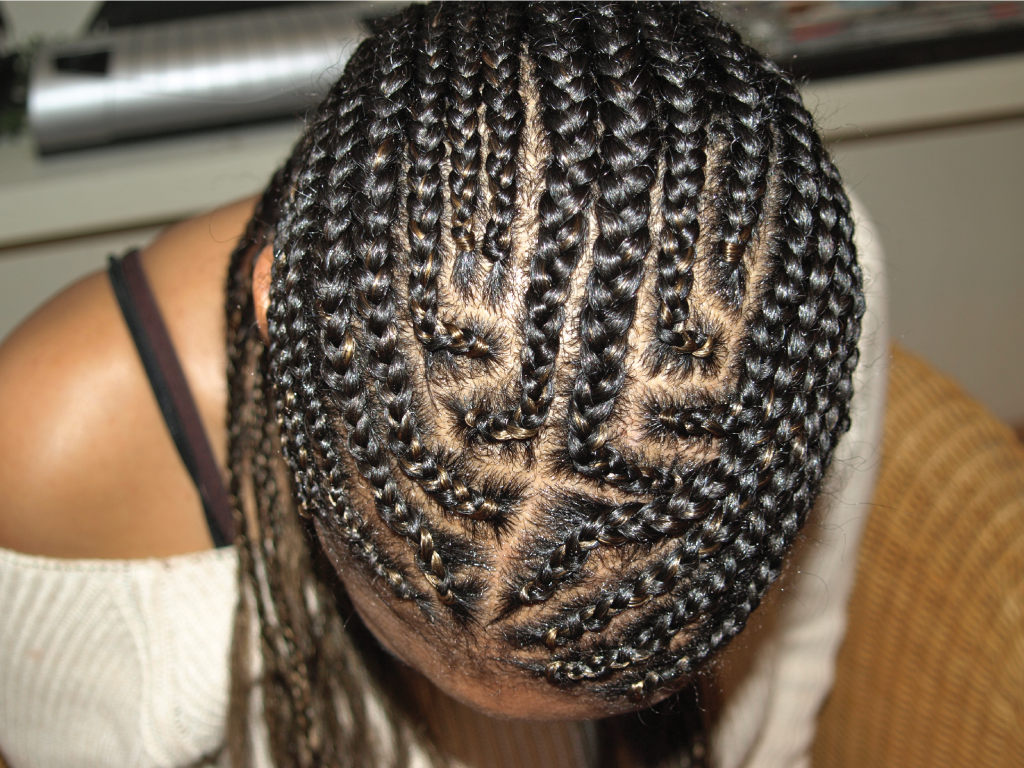
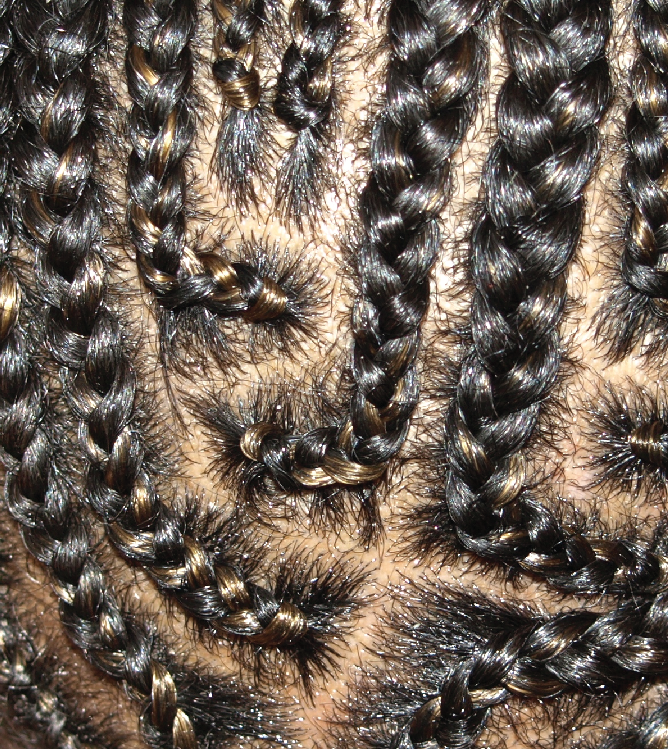
Cornrows are speculated to have been used to communicate maps and routes of escape in history. Can this image be a representation of the word, ‘routes’?
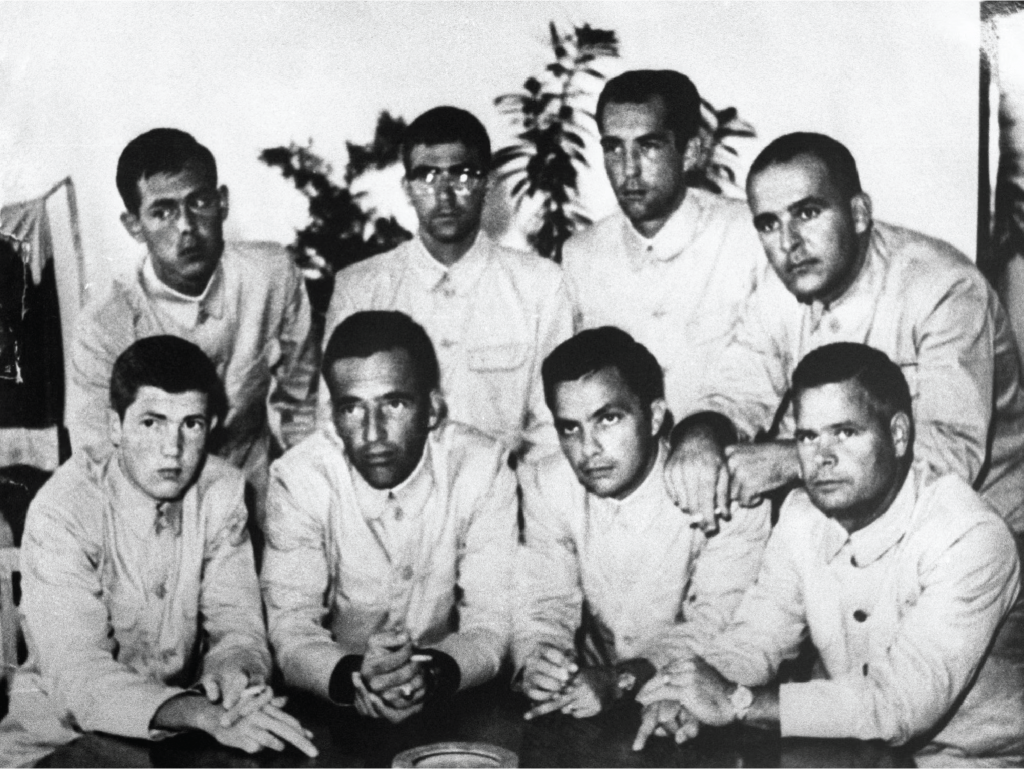
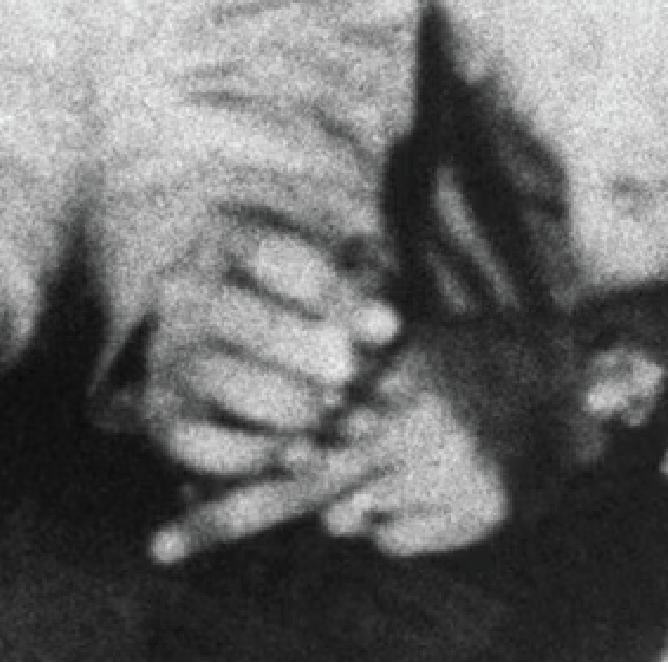
US sailors subtly show defiance using hand gestures. Can this image be a representation of the word, ‘resistance’?
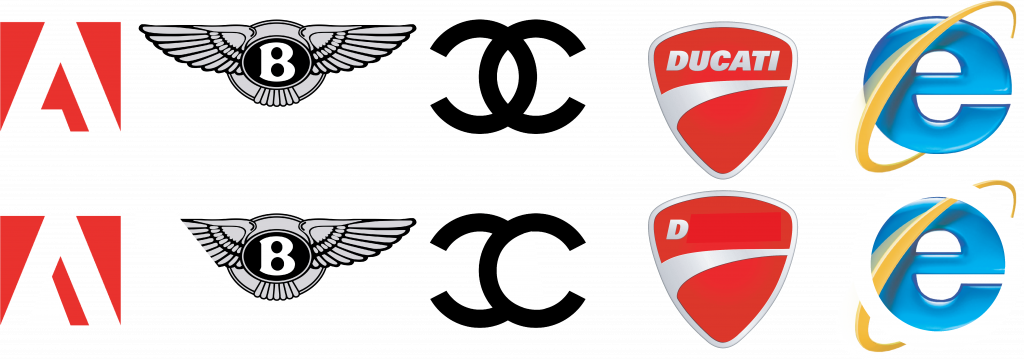
Next, I chose visuals from prominent brand logos, which would signify specific meanings and not be read as letters. And I started modifying their visual construction to communicate to the audience to read it as letters instead.
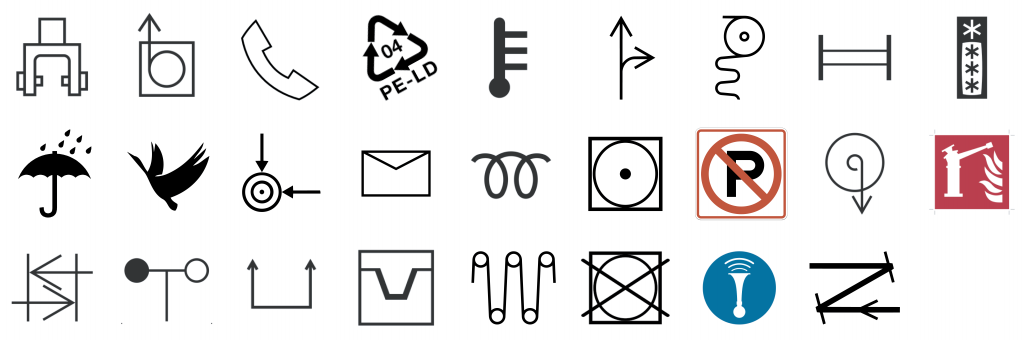
My next set of letterforms come from introducing paredolia to standardised signs, symbols and icons. Traffic signs, laundry codes, food safety icons, ISO symbols, etc..
I formed a set of letters by identification of these standard icons that resemble a specific letterform closely.
I think this can work as coded messsages as they can signify what they are supposed to when put side by side, but they can also be perceived as letters in a literal sense.
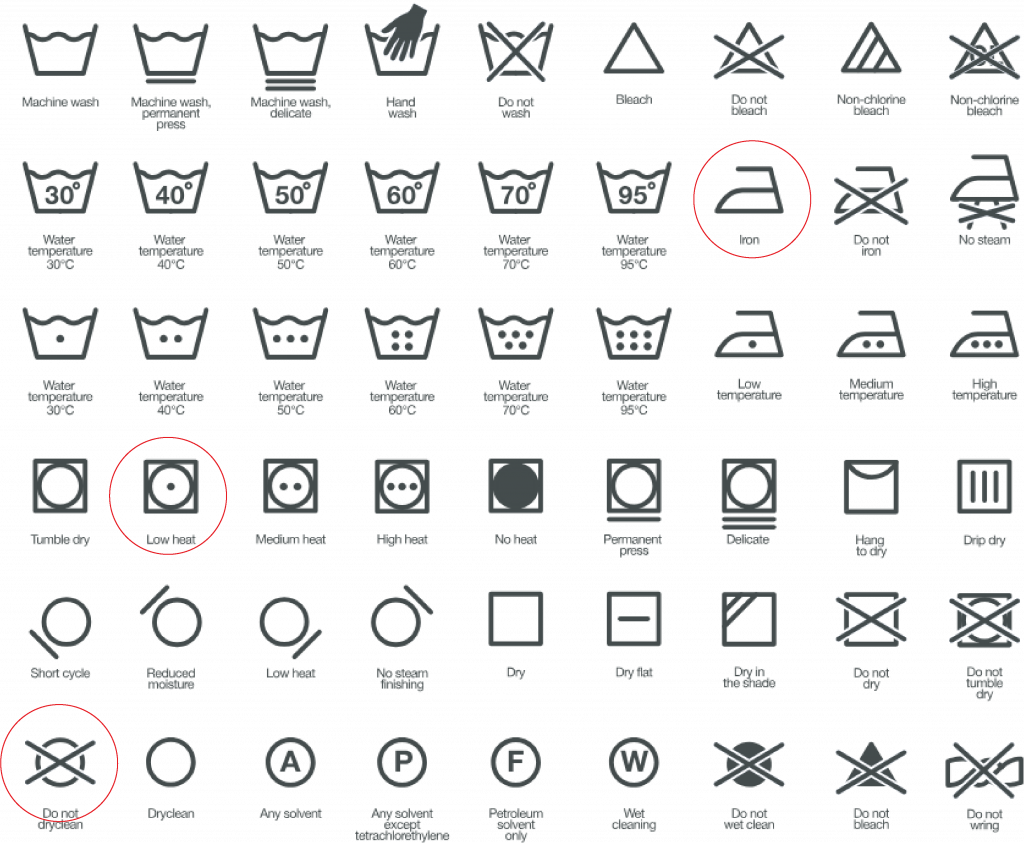
The symbols inside the red circles resemble latin letterforms
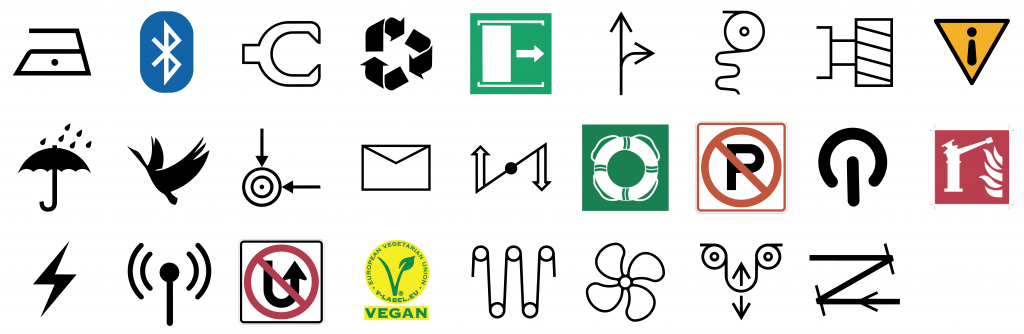
I also went ahead and created a type tester using Cursor, a tool designed for vibe-coding, and put these letters online for anyone to write messages on their own using this font and share them ahead. The type tester downloads the message as a png, that can be shared ahead on social media and printed for physical spaces.
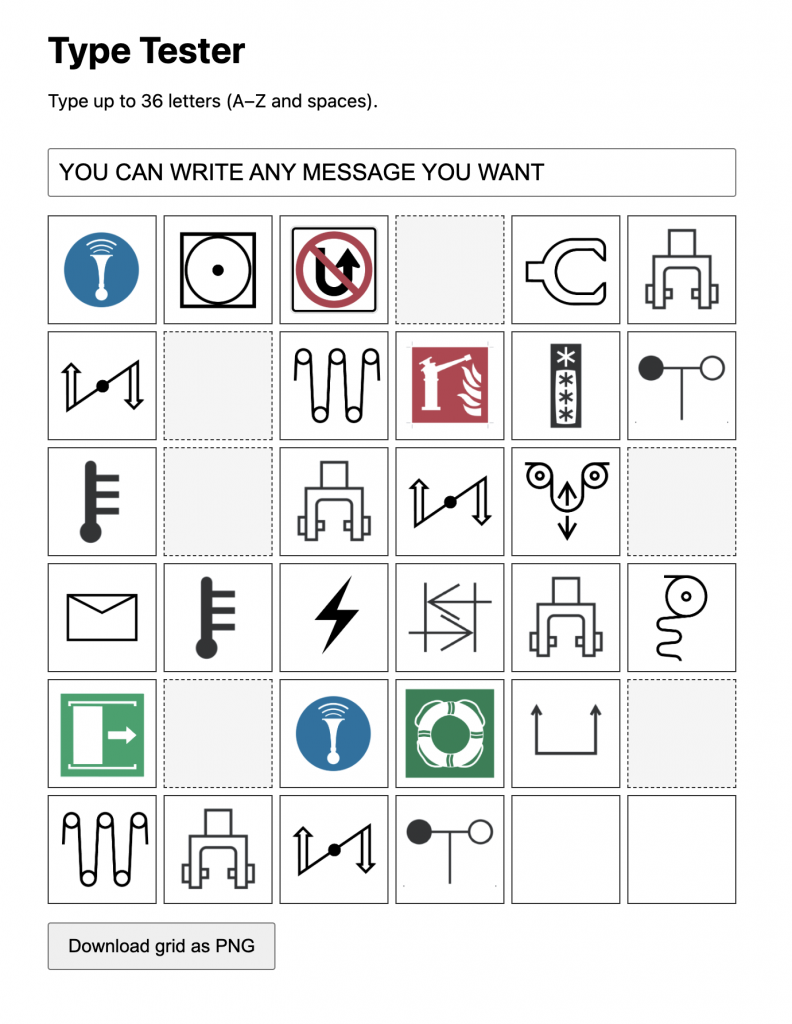
I encourage you to try it by clicking on the link here: https://symbolic-type-2026.paularindam02.workers.dev/
Leave a Reply